electricity

Fungible vs Nonfungible

Energy Is Non-Fungible: Costing the World Billions

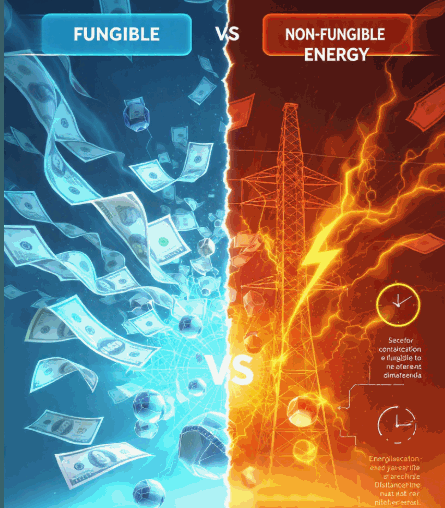
Electricity has fundamental physical constraints that make it “non-fungible”—it cannot be freely moved across time or space like money or commodities. Understanding this principle reveals a staggering global inefficiency: curtailment of renewable energy, natural gas flaring eight times larger than cryptocurrency mining, and transmission losses equivalent to powering entire nations. This article explores why energy markets ignore this reality and what practical solutions exist to capture and use stranded energy.

Energy Is Non-Fungible: Costing the World Billions Read More »
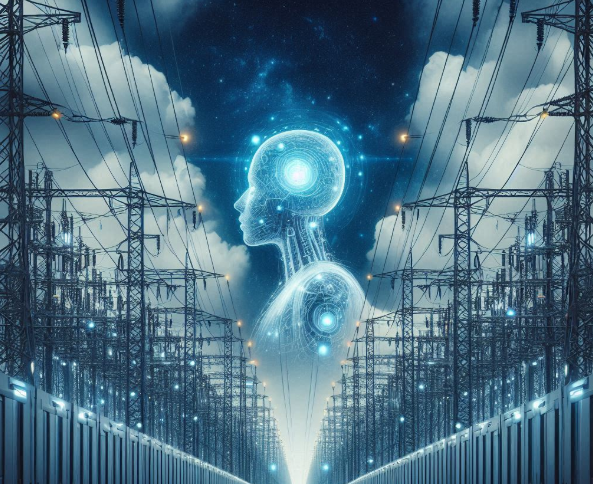
AI and High tension Power lines

Can “Enhanced Geothermal” Overcome AI’s Mammoth Appetite For Electricity?

As the digital economy becomes increasingly AI-driven, energy systems must evolve in order to meet the growing demand. Enhanced Geothermal Systems offer a uniquely aligned solution—capable of delivering high-capacity, low-carbon, around-the-clock power in a geographically flexible manner. With proper investment, regulation, and public support, enhanced geothermal could become a cornerstone of a resilient, sustainable power grid fit for the age of intelligent machines.

Can “Enhanced Geothermal” Overcome AI’s Mammoth Appetite For Electricity? Read More »

California Utilities

California’s Latest Hustle: Utility Bills Based on Ratepayers’ Income

Utility bills—for electricity, natural gas, water, and garbage—have by long-standing tradition been based on customer usage, measured in kilowatt-hours of electricity, therms or Btu of natural gas, hundred cubic feet of water, or number of garbage cans. Every residence and business has electric, gas, and water meters that measure utility usage… But what if utilities based their fixed fee on customers’ income levels rather than a flat uniform fee for every customer?

California’s Latest Hustle: Utility Bills Based on Ratepayers’ Income Read More »

Electricity Production Capacity Changes in 2019

Renewable Energy Trends in 2019

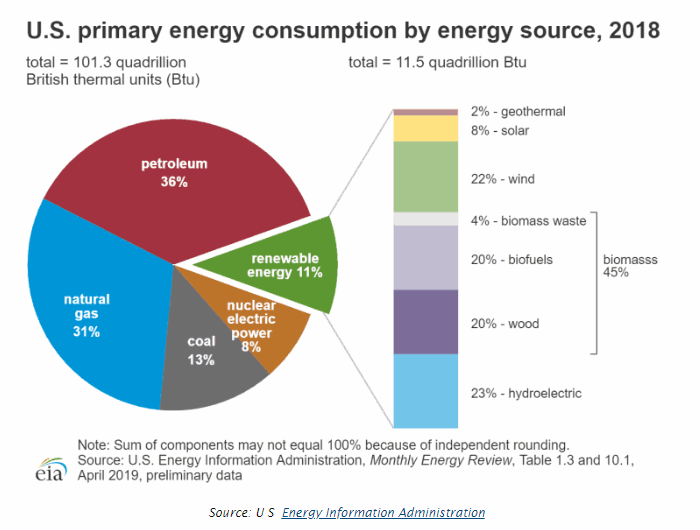
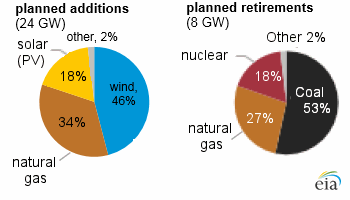
According to a new report from the U.S. Energy Information Administration (EIA) 2019 will be a good year for renewables. A whopping 46% of new electricity production will come from Wind power and 18% will come from Solar Photovoltaic power with the remaining increase coming from clean burning Natural Gas for a total increase in generating capacity of 24 gigawatts (GW). On the other hand, 8 gigawatts (GW) of electrical generating capacity will be retired this year 53% of that will be coal fired, 27% natural gas and 18% will be nuclear powered plants.

Renewable Energy Trends in 2019 Read More »

China Vanadium Battery Factory

Move Aside Lithium – Vanadium Is The New Super-Metal

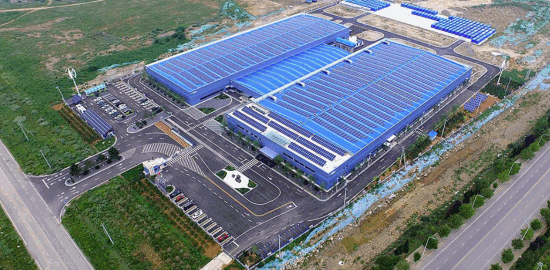
The lithium ride was a great one. Cobalt, too. All they needed was their Elon Musk moment, which came in the form of the Nevada battery gigafactory. The next Elon Musk moment won’t be about lithium at all—or even cobalt. It will be for an element that takes everything electric to its revolutionary finish line: Vanadium.

Move Aside Lithium – Vanadium Is The New Super-Metal Read More »

Energy Trends- Deregulation (or Not)

Is Energy Deregulation Just a Fad? In the late 1990’s, individual states began trying to introduce more competition into the energy marketplace. As we know, competition tends to drive down prices and improves choice and service. Without competition businesses get lazy and they add layers of bureaucracy and then simply tack the additional costs on to

Energy Trends- Deregulation (or Not) Read More »

Scroll to Top