Drilling Zones

Huge Backlog Could Trigger New Wave Of Shale Oil

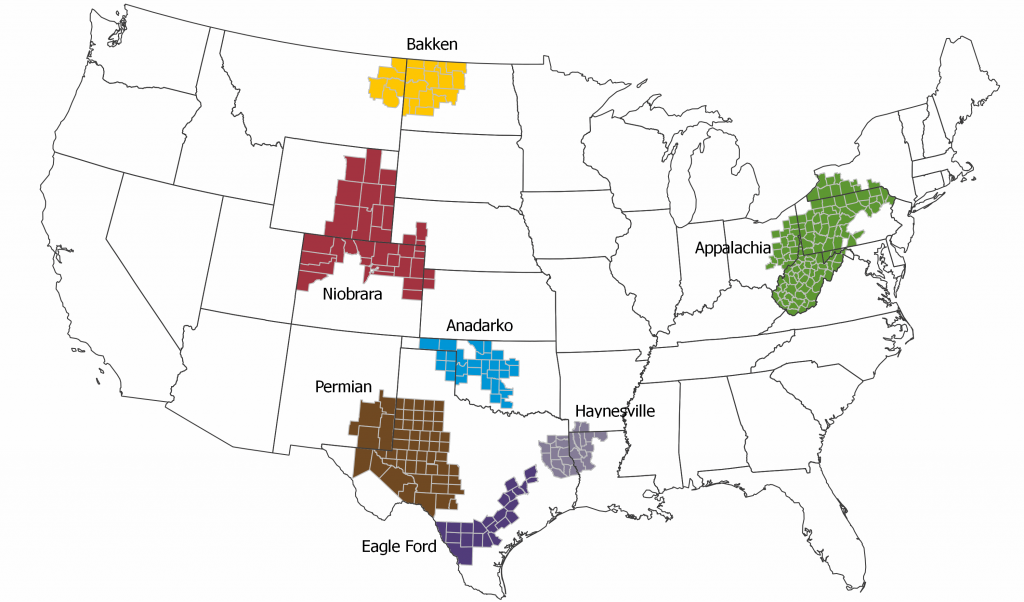
Why would a company spend millions of dollars to drill an oil well and then not finish it? There are a couple of  reasons. Thanks to rapid advancements in drilling technology shale oil wells can actually be drilled faster than they can be completed. This can result in a high inventory of uncompleted wells called “drilled but uncompleted wells (DUCs)”.  But when the U.S. Energy Information Administration (EIA) counts DUCs they don’t count the recently completed ones to allow time for completion.

Huge Backlog Could Trigger New Wave Of Shale Oil Read More »
China Vanadium Battery Factory

Move Aside Lithium – Vanadium Is The New Super-Metal

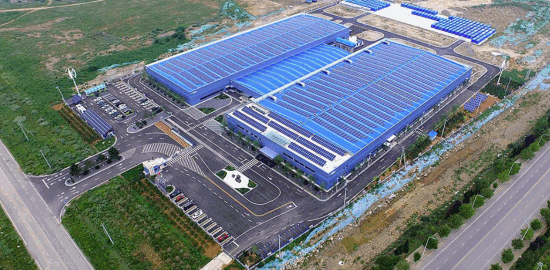
The lithium ride was a great one. Cobalt, too. All they needed was their Elon Musk moment, which came in the form of the Nevada battery gigafactory. The next Elon Musk moment won’t be about lithium at all—or even cobalt. It will be for an element that takes everything electric to its revolutionary finish line: Vanadium.

Move Aside Lithium – Vanadium Is The New Super-Metal Read More »

U.S. Shale Has A Glaring Problem

Oil prices are down a bit, but are still close to multi-year highs. That should leave the shale industry flush with cash. However, a long list of U.S. shale companies are still struggling to turn a profit. A new report from the Institute for Energy Economics and Financial Analysis (IEEFA) and the Sightline Institute detail the “alarming volumes of red ink” within the shale industry.

U.S. Shale Has A Glaring Problem Read More »

Freedom in the 50 states

How Free is Your State?

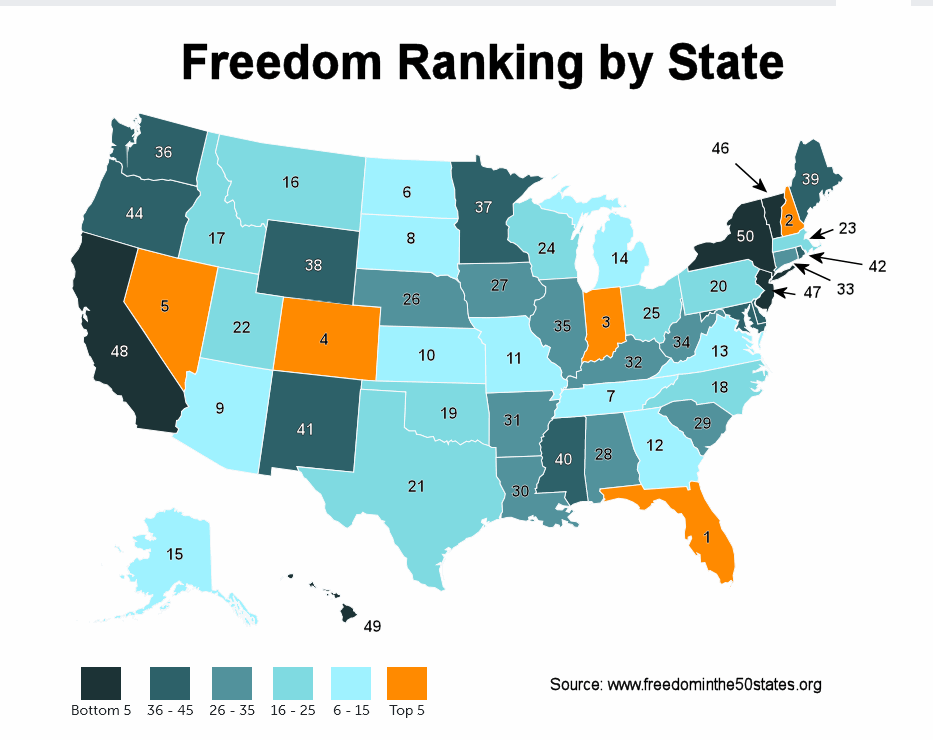
Unlike many countries the United States is not “monolithic”. Freedom varies widely from state to state primarily because each state is the master of its own destiny. Although the Federal Government has been trying to exert more control, each state is still able to create their own laws, taxes and regulations. Each year since 2000 the CATO Institute has published its evaluation of the relative freedom of each state based on a variety of criteria including Fiscal Policy (30.4%), Regulatory Policy (34%), and  Personal Freedom (34.1%). Of course, each of these major categories is made up of a variety of sub-categories.

How Free is Your State? Read More »

Electric Vehicles

Oil Price Rally Boosts Electric Car Sales

Tesla’s competition is about to get more crowded next year with many legacy automakers and luxury brands launching a record number of battery electric vehicles and plug-in hybrids. All EV makers will have one common element that could help lift demand for battery vehicles—rising oil prices leading to fuel prices at four-year highs, which could turn consumers towards EVs. To be sure, charging infrastructure and range are still key concerns in consumers’ minds regarding EVs, but utilities and major oil firms such as Shell and BP are already looking to expand the charging infrastructure, especially in Europe.

Oil Price Rally Boosts Electric Car Sales Read More »

100 dollar Oil

$100 Oil Is A Distinct Possibility

An oil price spike is starting to look increasingly possible, with a rerun of 2008 not entirely out of the question, according to a new report.

The outages from Iran are worse than most analysts expected, and bottlenecks in the U.S. shale patch could prevent non-OPEC supply from plugging the gap. To top it off, new regulations from the International Maritime Organization set to take effect in 2020 could significantly tighten supplies.

$100 Oil Is A Distinct Possibility Read More »

Stocks Up Rates Up

Do the FED’s Interest Rates Affect the Stock Market?

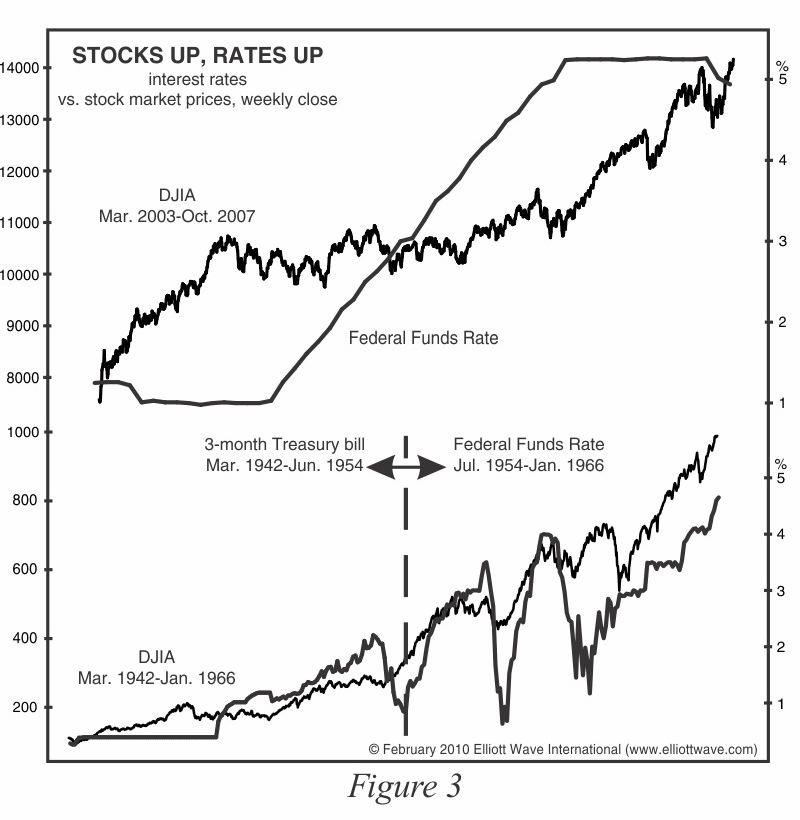
In anticipation of the September 25-26 Fed meeting, CNBC ran this headline (Sept. 21): “Record High Stocks Face Fed Rate Hike.” implying that the Fed’s interest rate decisions actually affect the stock market. Common wisdom says that “falling interest rates means higher stock prices, while rising interest rates means lower stock prices.” At first blush this might sound logical because rising interest rates makes fixed income investments more attractive because they pay more and have less risk than stocks. So some of the available capital will flow into bonds, etc. thus starving the stock market and putting downward pressure on prices.  In this article, Elliott Wave International contends that there is actually no consistent relationship between interest rates and the stock market and they present examples of how the exact opposite of what you would expect has happened.

Do the FED’s Interest Rates Affect the Stock Market? Read More »

Oil Shale in WY, UT & Colo.

Technological Solution to 100 Year Old Oil Problem

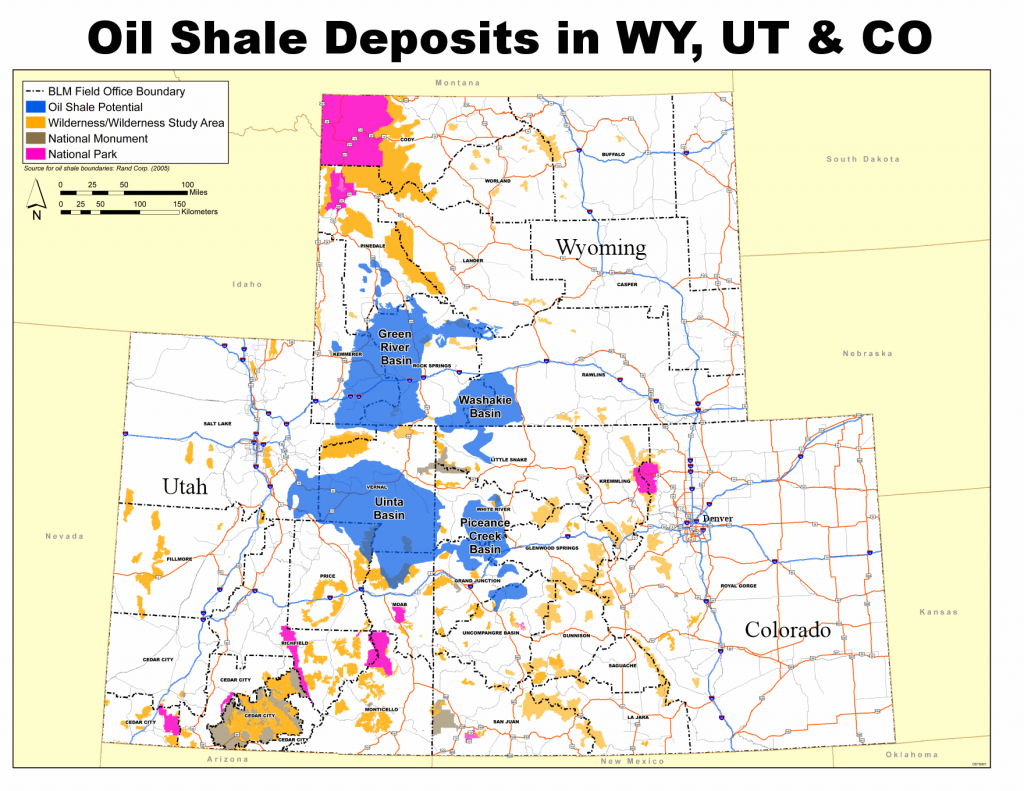
For as long as I can remember there has been big talk about the “Oil Shale” in places like Utah, Colorado and Wyoming. According to Wikipedia “The largest oil-shale resource in the world is contained in the Eocene Green River Formation in Colorado, Utah, and Wyoming in three basins: the Piceance Basin, Green River Basin, and Uinta Basin. The Green River oil shales have been the focus of most efforts of the past hundred years to establish an American oil shale industry.”  The first attempts to exploit the Green River Basin shale deposit was made by the “Oil Shale Mining Company” way back in 1916. But oil from oil shale is notoriously uneconomical and hard to extract. Generally, the shale is mined and then heated to at least 300 °C (570 °F) to extract the oil, but it works better at between 480 and 520 °C (900 and 970 °F)! The usual process involves massive amounts of super-heated steam (which requires lots of water). The key to economical shale oil is not locating the oil it is developing the right technology to make the process economical (and preferably environmentally friendly). In today’s article Charles Kennedy of Oilprice.com looks at a new method of doing exactly that.

Technological Solution to 100 Year Old Oil Problem Read More »

Oil War Saudi Arabia vs Iran

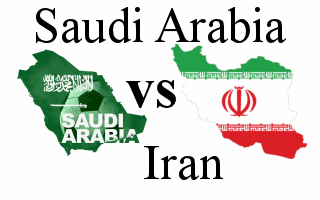
Oil Price War: Saudi Arabia vs. Iran

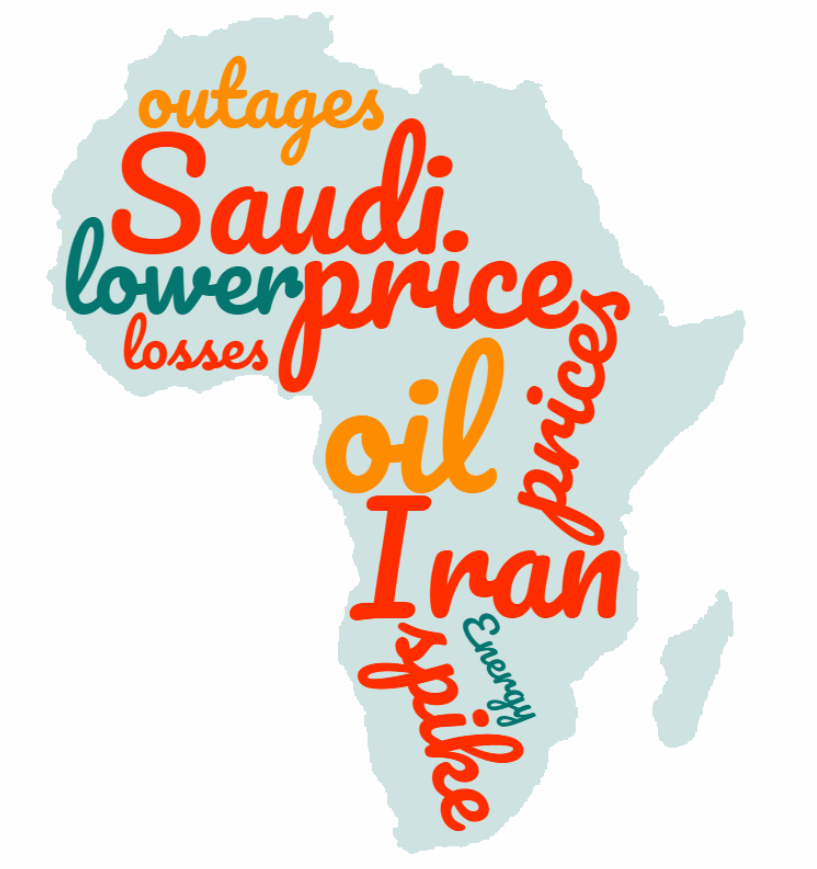
One of the first lessons in Econ 101 is Supply vs. Demand. If the supply is curtailed and demand stays the same the price will go up. A somewhat later lesson is that Government sanctions reduces supply and drives prices up. The classic example of this is the drug trade. But recent sanctions by the U.S. has had quite the opposite effect (at least temporarily).  What has happened is that the U.S. has put trade sanctions on Iran. So Iran is offering its oil at a discount to those willing to go against U.S. wishes and buy their oil anyway. In response Saudi Arabia is offering to match Iran’s price without the risk of offending the United States. So in effect we have a price war (i.e. a race to the bottom). Chances are this won’t last long if the sanction breakers suffer severe enough consequences.

Oil Price War: Saudi Arabia vs. Iran Read More »

Scroll to Top