Gold Production
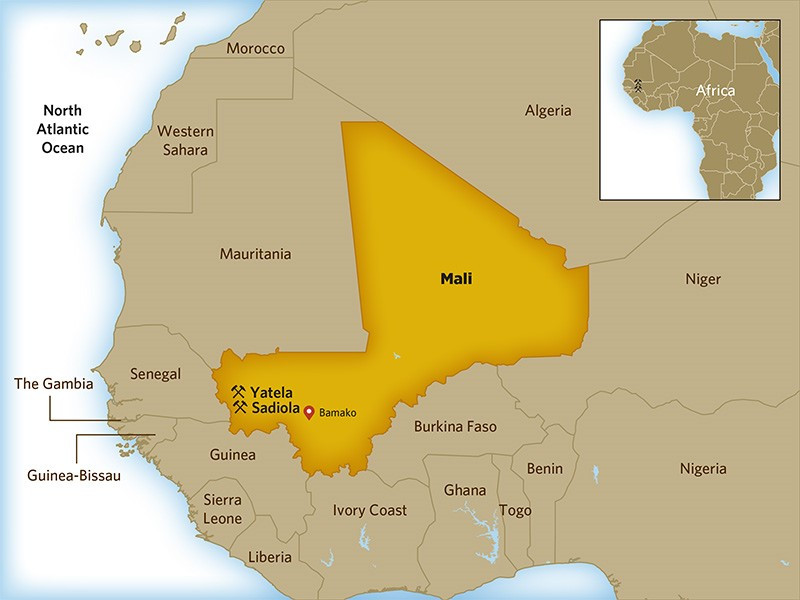
Mali in Western Africa which produced 50.9 tonnes of gold in 2016, up from 50.5 tonnes produced in 2015 (but below 2009 levels). Can current levels of production be sustained? Or are their best days behind them?
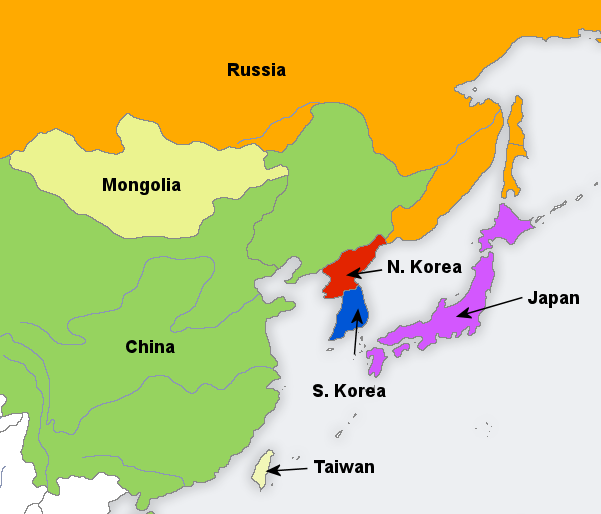
North Korea is making quite a bit of news these days with its crazy war threats and threatening missile launches. It knows that in the past brinkmanship has gotten it concessions from every U.S. President since Clinton. During Clinton’s Presidency North Korea began its “Saber Rattling” in response former President Carter began negotiations that resulted in an agreement that North Korea would cease work on Nuclear weapons in exchange 500,000 tons of oil a year and $4 billion toward the construction of a light-water reactor capable of producing nuclear energy (but not weapons) . By 2003, North Korea had breached that agreement . In 2005, North Korea reached another agreement to stop production in exchange for economic and energy aid. That deal unraveled in 2008. Since 2008 there hasn’t been much done in negotiations between North Korea and the U.S.
The $10 Trillion Resource North Korea Has But Can’t Tap Read More »
In the following article Andreas de Vries and Dr. Salman Ghouri of Oilprice.com discuss the possibility of oil price spikes crippling the oil industry. At first blush that seems highly unlikely. After all the oil industry is critical to powering the world and although there have been bumps along the road over the last 100 years the oil industry has always weathered the storm. But let’s look at what they have to say.
Could the Next Oil Price Spike Cripple The Industry? Read More »
Some experts believe that if a major portion of cars used Lithium batteries we could run out of available Lithium in less than 20 years. So it is critical that we find alternative types of batteries that use inexpensive, common, lightweight materials.
New Solid-State Battery Design Read More »
New York city is one of the most populous cities in the world and of course the home of the massive New York Stock exchange. The New York City Subway is the largest rapid transit system in the world by number of stations, with 472 stations in operation. The system is also one of the world’s longest. Overall, the system contains 236 miles (380 km) of routes, translating into 665 miles (1,070 km) of revenue track; and a total of 850 miles (1,370 km) including non-revenue trackage. But what is truly interesting is how the development of the NYC subway parallels the New York Stock market.
What Can We Learn About the Stock Market From the NY Subway? Read More »
Bitcoin prices has been able to benefit from the “return in risk aversion” in the markets on fresh catalysts. In this article Chris Vermeulen, “The Gold and Oil Guy” takes a look at Bitcoin and some of the Trends involved.
Bitcoin: The New Safe Haven? Read More »
Our entire investing lives have taken place in the now. We have never executed a buy order in the past, nor have we ever executed a sell order in the future. However, we have all wasted a considerable amount of mental energy thinking about the past or worrying about the future.
Investing: The Incredible Power Of Staying In The Now Read More »
The following article by Cyril Widdershoven of Oilprice.com takes a look at the recent technical glitch that could cut Saudi production by as much as 900,000 barrels per day. Many Middle East oil fields are aging and are experiencing technical challenges. Creation of the Manifa oil field was a technological wonder of the modern world due to its abundance of marine life and unique structure. As of today Manifa is reporting that the water injection issue is not currently affecting oil production
The Technical Failure That Could Clear The Oil Glut In A Matter Of Weeks Read More »
On November 30th 2016, Bloomberg trumpeted the following headline, OPEC Confounds Skeptics, Agrees to First Oil Cuts in 8 Years. On the day before, (i.e. November 29th) oil prices had plunged 2.5% and the NYMEX Oil ETF was trading at $11.34 and the news drove the price up to $13.05 by January 6th, 2017 where it peaked and it’s been downhill ever since.
Was this a case of “Buy the Rumor Sell the News”? Not quite since it did climb for a couple of months before reality set in, but the OPEC deal was doomed to fail pretty much from the beginning. First of all, U.S. Shale Oil wasn’t part of the deal and secondly the targets were set at previous peak production so there really weren’t any “cuts” simply limits to future growth. After falling to $9.89 on June 21st the price has rebounded a bit moving back above support so we could easily see a move to the resistance line or above. So have we seen the bottom and is this the beginning of a new rally? Or is this a counter-trend rally to the top of the channel or simply a fake and the beginning of a correction to the downside? In today’s post, Brian Noble looks at the question, “Is a big move in Oil Prices Due?”~ Tim McMahon, editor.
Is A Big Move In Oil Prices Due? Read More »
To believe that regulation is unnecessary and harmful is not an idealistic and detached view. It flows necessarily from a belief in human equality. If you firmly believe all humans are equal, what is it that allows a third person to infringe with the threat of violence on the right of two people to transact freely with one another? Bouazizi and his customers were both made worse-off by both being denied the right to transact freely by government.
Are Regulations Strangling Free Enterprise? Read More »